
AI enhances rather than replaces creativity
AI can’t replace designers. But it is changing what we spend our time on. The studios getting this right are treating AI as something that handles the repetitive work, the stuff that eats hours but doesn’t require creative judgment, like Photoshopping tedious background imagery or building out images, Nano Banana and Photoshop Beta are really getting good at this. What it does do is free up a designers time to do the heavy lifting, the work that actually matters: strategic thinking, understanding client context, and making decisions that connect businesses with people.
Practical applications that work
There are clear distinctions though, AI tends to generates multiple options, but Designers create real, tangible meaning giving clear differentiation and individuality, everything that makes you, well you. AI can produce colour palettes based on what you feed it, but it doesn’t understand your client’s goals or market position. That’s our job as the designer, strategist or copy writer. It’s not about finding shortcuts to the end goal, it’s purely about spending less time on mechanics and more time on critical strategic thinking.
The key is knowing when to use it and when not to. AI is useful for exploration and iteration. It’s shouldn’t be used for final judgment calls. The power of AI is in the information you feed it, you have to know what to ask of it, in order for it to get anything tangible from it.
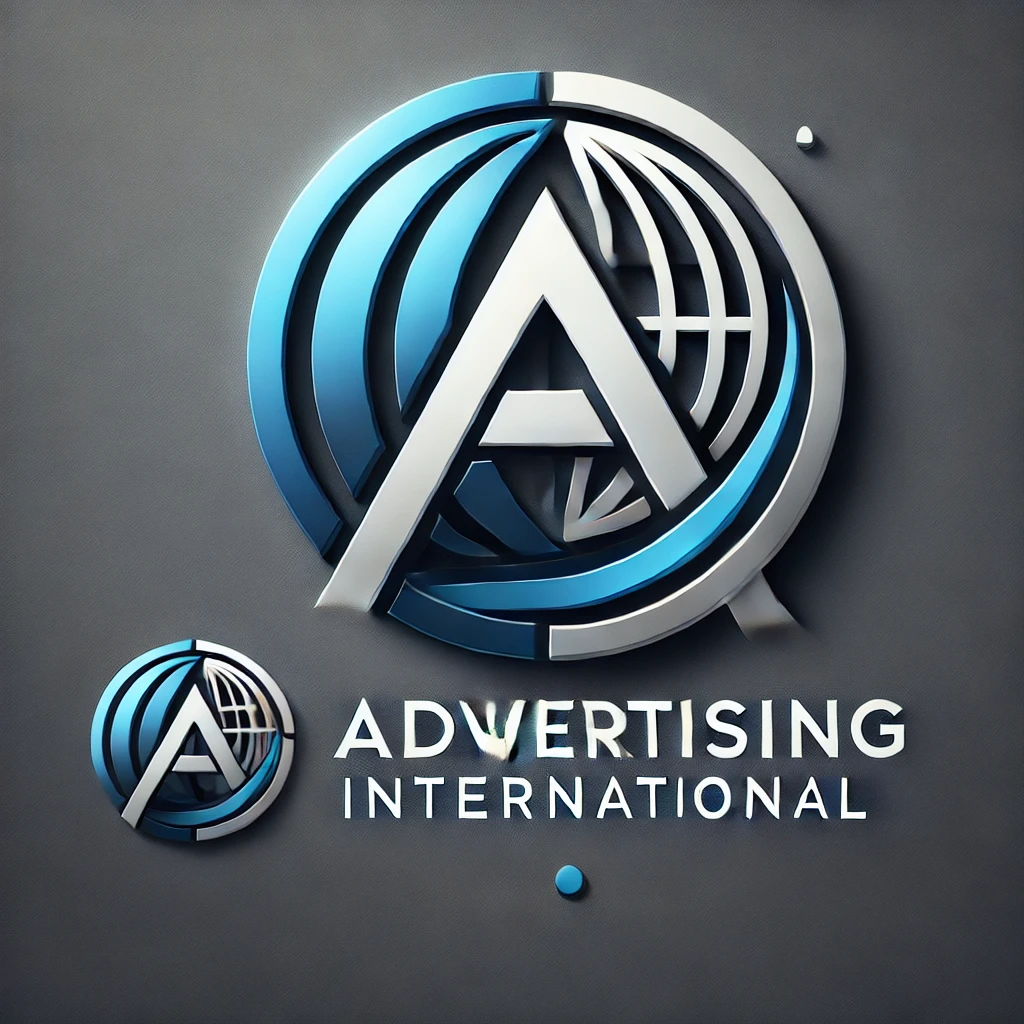
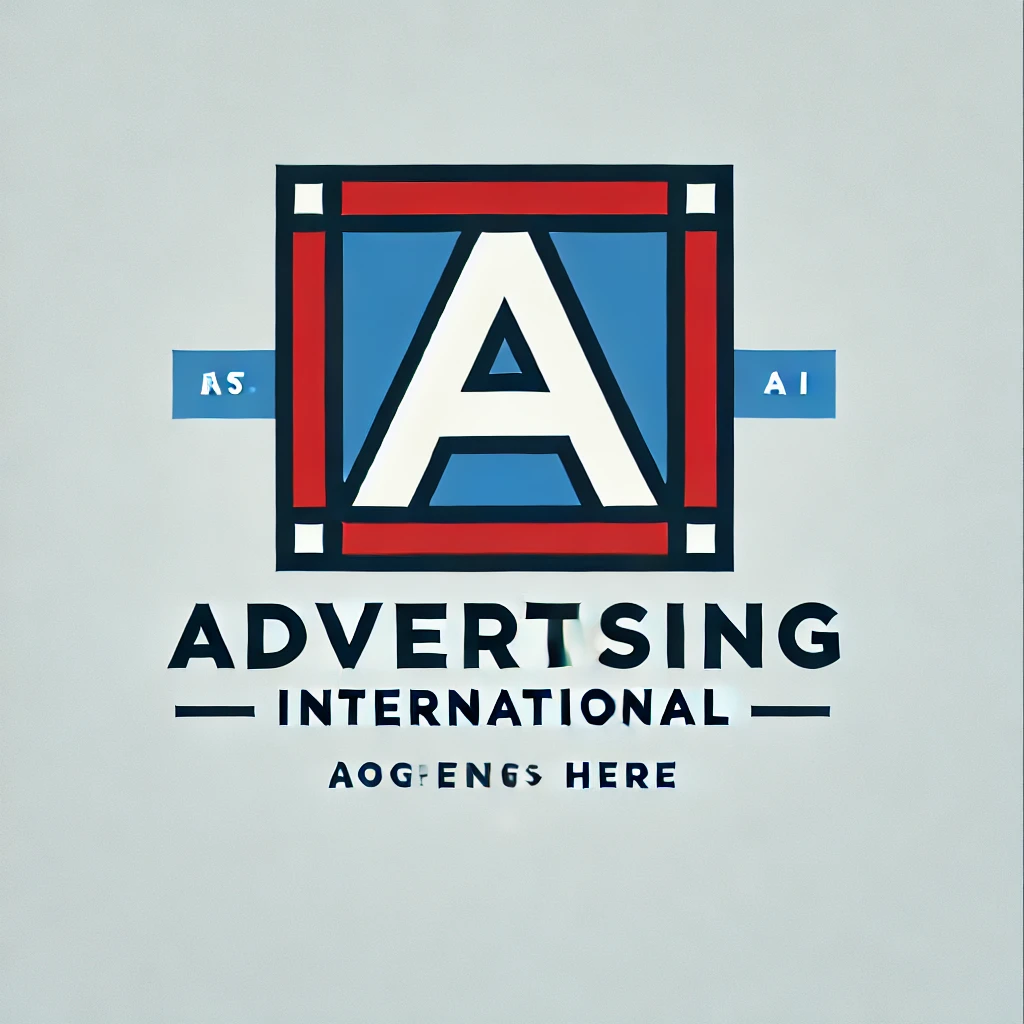
From experience and experimentation we have noticed, massive improvements in AI, but it can never replace true human creativity. Just try and get AI to create your logo, it’ll have spelling mistakes with generic and most common shapes to create its iterations. True human creativity, only comes from critical judgement and a never ending pursuit to create original, strategic work that truly reflects your business. If you use AI for your logo, it will be painfully obvious and your clients will know and see through it, chipping away at the trust you may have already built with them. Inevitably AI will get better, but it will never truly reflect your brand or business that human connection and understanding can. Just look at the examples below.
Training your team to use AI, means teaching them when to ignore it. Setting clear boundaries, use AI for speed and exploration, but never, for final output. Make AI outputs the starting point for critique, kick off sessions or mood-boards, not the endpoint. Treat prompting as a skill, be specific, make iterations, and stay critical of what comes back.
The worst use of AI is accepting blindly what it gives you. The best use is absolute collaboration involving key people in the project.
Interested in finding out more
Get in touch, we’d be more than happy to discuss this with you and understand what you pinch points are currently in your business. We know, we’ll work intelligently together.