Storytelling through design
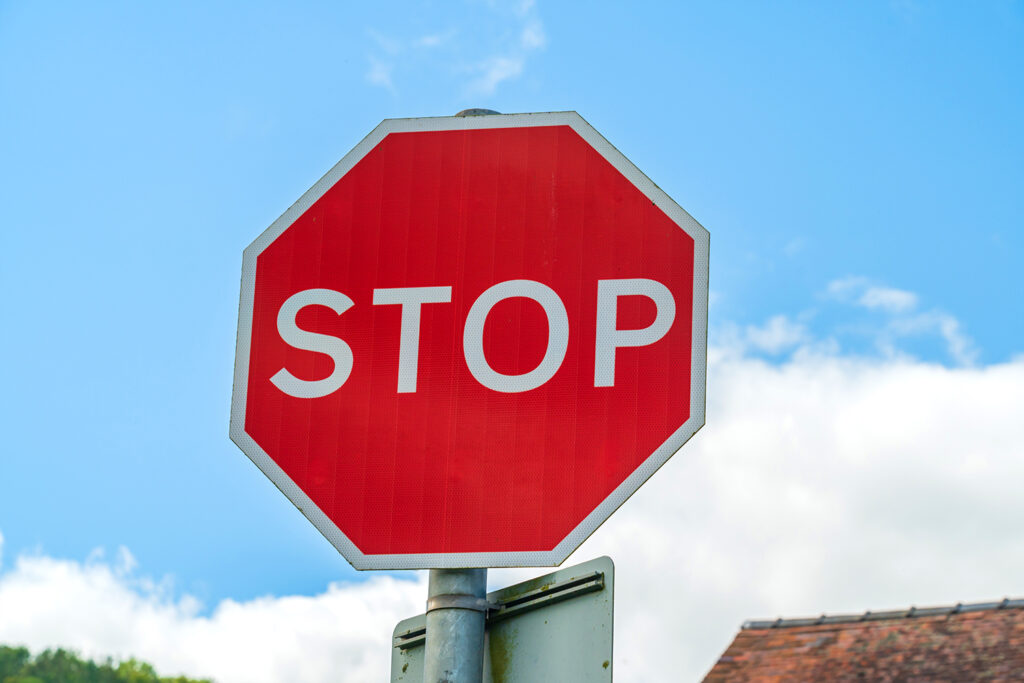
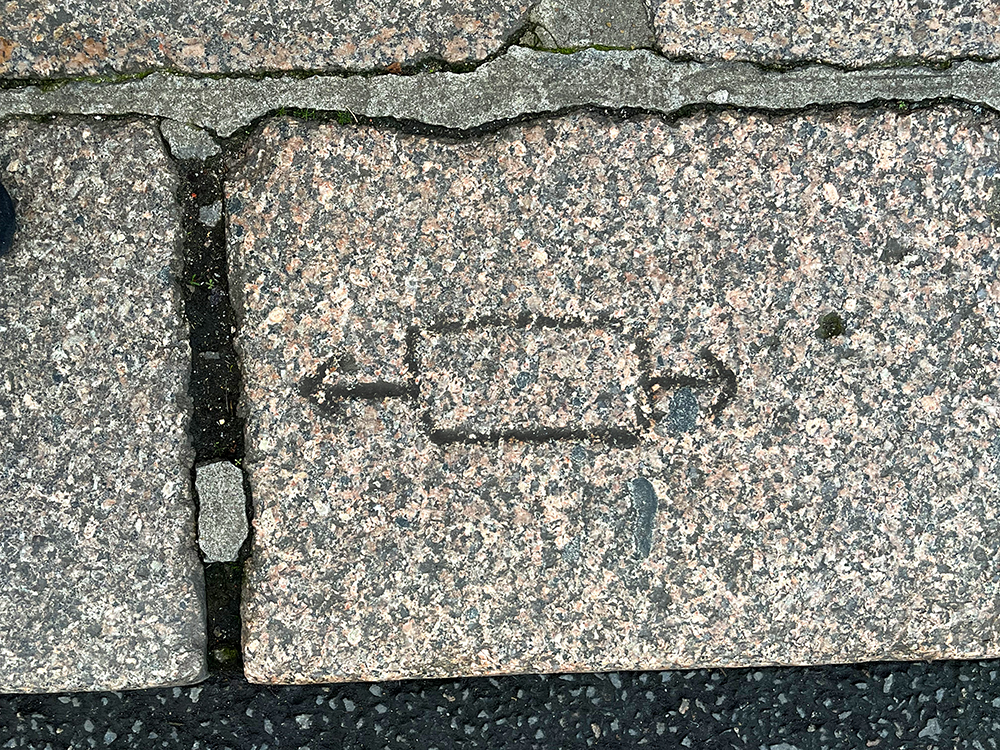
Every day, you pass dozens of symbols without thinking. A swoosh means athleticism. A red octagon means stop. An apple means innovation. If you look at any granite pavement in Jersey for long enough, you’ll find all manner of individual Stonemasons symbols. These aren’t just symbols, they’re compressed stories, entire narratives distilled into a single mark. And when they work, they become part of how we navigate the world.
Why symbols matter
In a world drowning in content, symbols cut through. They transcend language barriers, work across cultures, and communicate instantly. But here’s what separates a good symbol from a great one: meaning. The best symbols don’t just identify, they embody. They carry the weight of an organisation’s values, a place’s identity, or a community’s shared purpose.
Think about rebranding a business. Think about launching a new business. Think about a company restructure. These aren’t branding exercises, they’re about creating visual anchors that people can trust, recognise, and rally around. That’s when design becomes more than decoration. It becomes essential.
Simplicity is the strategy
Here’s the paradox: the simpler a symbol looks, the harder it is to create. Behind every elegant mark are hundreds of refinements, each asking the same question: what can we remove and still keep the meaning intact?
The best symbols work everywhere, on a business card, on a billboard, carved in stone or rendered in pixels. They survive being printed in black and white, embroidered on fabric, or displayed on a screen sixty feet away. They’re built to endure, not to chase trends.
This is craft, not magic. It’s about understanding that clarity isn’t simplistic, it’s sophisticated. It’s about having the discipline to strip away everything that doesn’t serve the story, and the courage to trust that what remains will be enough.
Connection through design
The most powerful symbols don’t just represent organisations, they unite people. A university crest. A civic monument. A movement’s banner. These marks become focal points for collective meaning, moments of recognition where people say, “I know what that stands for. I’m part of that.”
This is where design becomes genuinely human. It’s not about imposing a visual identity onto people, it’s about revealing what already connects them and giving it form. It’s about creating symbols that help people navigate spaces, understand institutions, and feel like they belong to something larger than themselves.
Whether it’s wayfinding that guides tired travelers through an airport or an identity that helps students feel connected to their campus, the goal is the same: serve the people who’ll use it. Make their lives easier, clearer, better.
Built to last
In our increasingly digital world, you might think symbols matter less. The opposite is true. In crowded screens and endless feeds, a strong symbol is more valuable than ever. It cuts through noise. It gives us something to anchor to, something to recognise instantly and trust implicitly.
The challenge isn’t creating symbols that work today, it’s creating symbols that will endure. That means thinking beyond this season’s design trends and asking: what will still feel meaningful in ten, twenty, fifty years?
Symbols that last are the ones that understand their role. They’re not about self-expression. They’re about service. Service to the organisation, yes, but also to every person who’ll encounter them, the commuters, the students, the visitors, the employees. Everyone who needs a mark to guide them, represent them, or remind them of something that matters.
Make meaning visible
Great symbols don’t announce themselves. They don’t demand attention. They simply do their job, day after day, helping people find their way and feel connected to something worthwhile.
That’s design at its most powerful, using clarity, care, and craft to tell stories that bring people together. In a world that could use more of that, it’s not just good design. It’s essential.
Ready to create a symbol that truly matters? Let’s talk about what your organisation stands for, and how we can make that meaning visible.